This is a list of all Hi-Fi artifacts
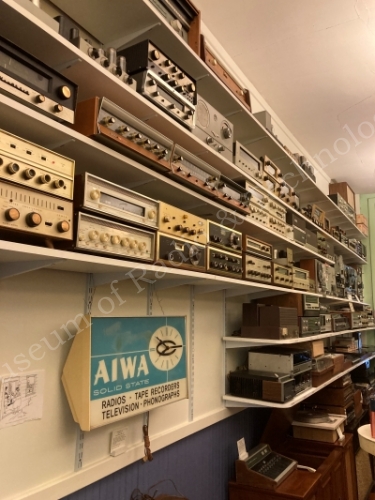
Early AM radio and mechanical phonographs were wonderful at the time but the sound was scratchy and distorted. In the 1950’s, some yearned to hear broadcasts that sounded as good as if you were actually at the concert. Several innovations made major improvements in home audio quality possible: reel-to-reel audio tape, the 33+1/3 rpm long playing vinal records, high quality turntables with more responsive needles, FM radio signals, stereo, separate amplifiers, and new speaker designs. All designed for a better frequency response. “High Fidelity”.
The 1960’s and 1970’s are often referred to as the “Golden Age” of Hi-Fi audio systems. All the advancements allowed the audio enthusiast more control over their listening experience. Many of components of the stereo system, that were made with tubes instead of transistors, are of excellent quality and still can sound better than more modern stereos. The advent of stereo recordings meant that audio enthusiasts could enjoy a more immersive sound, with distinct instruments and voices positioned across the “soundstage”. The technology of turntables and speakers also took leaps forward, with brands competing to offer the most accurate and distortion-free sound reproduction.
This collection includes from the high end stereo system to the economy models and reflects all the components needed to make up a proper stereo system.